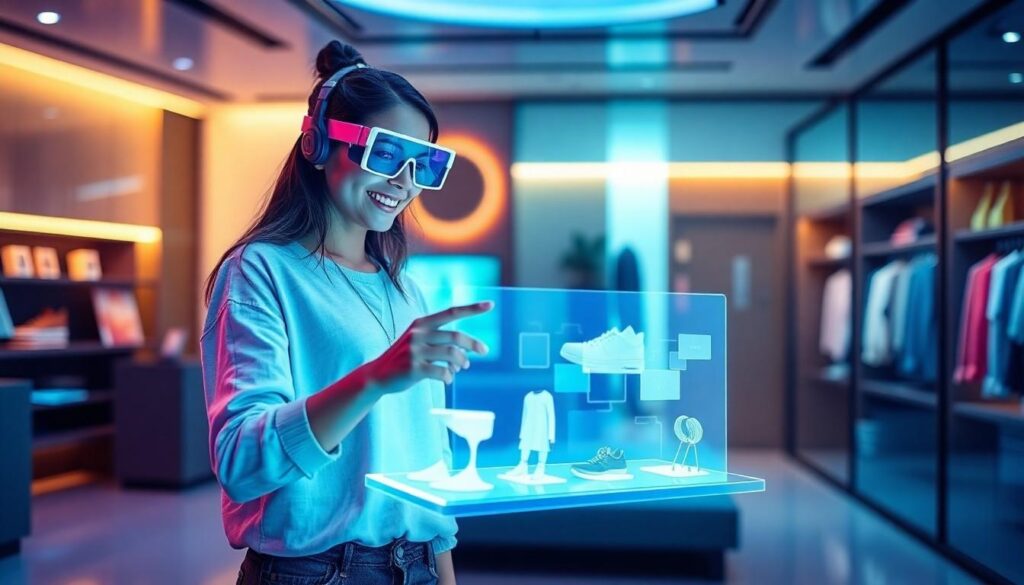
Imagine strolling through a virtual marketplace where the latest gadgets and trendy fashion items pop up right before your eyes. That’s the magic of augmented reality, and it’s about to get a whole lot more exciting with Leomart leading the charge. This innovative platform is set to revolutionize how we shop, blending the physical and digital worlds in ways that’ll make your head spin—hopefully not literally!
Overview of Augmented Reality
Augmented reality (AR) integrates digital information with the physical environment, enhancing user experiences. It overlays computer-generated content on real-world views, creating interactive experiences. Many industries, including retail and gaming, leverage AR to engage customers.
AR uses devices such as smartphones, tablets, and smart glasses to deliver immersive experiences. This technology enhances shopping experiences by allowing consumers to visualize products in their actual environment before purchase. For example, AR enables users to see how furniture fits in their living rooms or how clothing looks on them without trying it on.
Data indicates that the global AR market may reach $198 billion by 2025. Users favor AR applications for their ability to improve decision-making processes during shopping. Brands utilizing AR report increased customer engagement and satisfaction.
Innovations in AR technologies continuously shape its applications. Companies invest in developing better sensors and computer vision systems to create more realistic experiences. For instance, advancements in artificial intelligence enhance AR’s ability to recognize objects and create personalized interactions.
Collaborations between tech companies and retailers boost the adoption of AR solutions. These partnerships help retailers implement AR experiences seamlessly, making it easier for consumers to engage with brands. Enhanced user experiences lead to higher conversion rates, demonstrating AR’s impact on sales.
Future developments in AR may include more sophisticated integration with other technologies, such as virtual reality and artificial intelligence. These trends indicate a growing emphasis on personalized, interactive shopping experiences that meet consumer needs. As AR evolves, its potential to revolutionize various sectors, including e-commerce, remains significant.
Current Trends in Augmented Reality


Augmented reality is evolving quickly, impacting various industries and shaping shopping experiences. Key advancements indicate a substantial growth trajectory for this technology.
Key Technologies Driving AR
Artificial intelligence plays a significant role in enhancing AR capabilities. Computer vision technology allows devices to interpret and interact with the physical environment. Cloud computing facilitates quick data processing and storage, enabling seamless AR experiences. Sensors and cameras on smartphones capture real-world imagery, while AR software integrates digital content effectively. These technological innovations create engaging opportunities for businesses and consumers alike.
Popular Applications of AR
Retail engages consumers effectively through AR features like virtual try-ons or product visualizations. Automotive companies utilize AR for enhancing customer experiences during vehicle presentations. Education increasingly incorporates AR for interactive learning environments, allowing students to explore complex concepts. Gaming showcases the entertainment potential of AR, providing immersive experiences that captivate players. Real estate uses AR tools for virtual property tours, helping potential buyers visualize spaces before visiting.
The Role of Leomart in Augmented Reality
Leomart stands at the forefront of integrating augmented reality into shopping experiences. This platform utilizes AR technology to transform how consumers engage with products in their environment.
Innovative Features of Leomart
Leomart incorporates several innovative features that enhance shopping. Users can virtually try on clothing or see gadgets in their own spaces, making informed purchasing decisions easier. The platform’s real-time visualization tools allow shoppers to experiment with different sizes and styles seamlessly. With advanced artificial intelligence, product recommendations become more personalized. Features like interactive price comparisons also provide added value, ensuring efficient shopping experiences.
User Experience and Feedback
Customer experiences on Leomart reflect its commitment to an engaging shopping journey. Users appreciate the ease of visualizing products in their homes, which builds confidence before purchase. Feedback indicates high levels of satisfaction with the platform’s functionality and user interface design. Many customers note that the AR features create a more immersive and entertaining shopping environment. Positive reviews highlight the speed and convenience of navigating through the virtual marketplace.
Future Projections for Augmented Reality Leomart
Leomart’s future promises intriguing advancements in augmented reality, shaping how consumers engage with products. Anticipated developments in AR technology may enhance interactivity, enabling users to receive real-time updates and personalized content while browsing. Machine learning could further facilitate enhanced product recommendations, fostering a more intuitive shopping experience. Innovative AR features such as social sharing and collaborative shopping might also gain traction, allowing users to invite friends to explore virtual storefronts together. Industry experts predict that AR user adoption across e-commerce could rise significantly, contributing to the projected $198 billion global market by 2025.
Though challenges persist, effective solutions can pave the way for widespread AR integration. User resistance to new technologies might hinder adoption; thus, education and compelling marketing strategies should address concerns and clarify AR benefits. Privacy issues may arise, underscoring the need for transparent data usage policies. Additionally, technical limitations like device compatibility can affect user experience, so continuous improvements in AR software and platform interoperability will become essential. By proactively addressing these potential challenges, Leomart can create a seamless shopping environment that caters to evolving consumer preferences.
The future of augmented reality in platforms like Leomart promises to redefine shopping as consumers increasingly seek immersive and personalized experiences. As technology advances and user preferences evolve, the integration of AR will likely enhance engagement and satisfaction in various sectors. By focusing on innovative features and addressing challenges, Leomart is poised to lead the way in creating a seamless shopping environment. The ongoing developments in AR technology will not only transform retail but also pave the way for new applications across different industries. Embracing this evolution will be crucial for brands aiming to stay relevant in a rapidly changing marketplace.