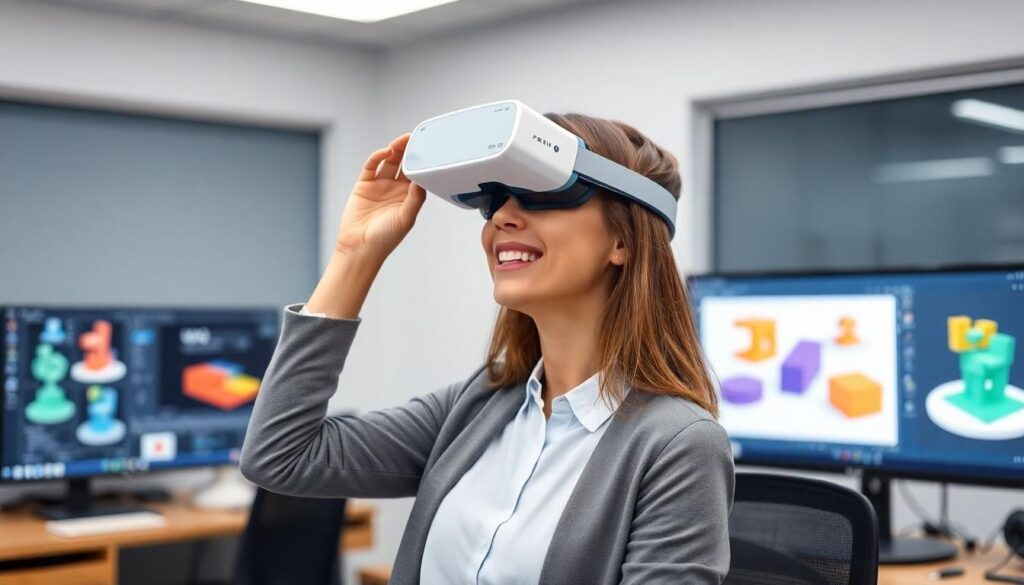
As the digital world collides with reality, augmented reality (AR) is taking the job market by storm. Picture this: you’re not just staring at a screen; you’re stepping into a new dimension where your career can literally take flight. From designing virtual experiences to developing cutting-edge applications, the opportunities are as limitless as your imagination.
Overview Of Augmented Reality Jobs
Augmented reality jobs focus on creating experiences that blend digital content with the physical world. Positions in this area include AR developers, designers, and project managers, each playing a crucial role in the industry. Software engineers design applications that facilitate user interaction with AR elements, while 3D modelers craft models used in immersive environments.
User experience (UX) designers concentrate on ensuring that the AR interface is intuitive and engaging. Collaboration among these roles enhances the overall product, driving innovation in various sectors. Job opportunities exist across industries such as gaming, healthcare, education, and marketing.
Healthcare professionals use AR for surgical training and patient education, offering enhanced visualization tools. Educators incorporate AR into lesson plans, providing interactive learning experiences that increase student engagement. Marketing teams leverage AR to create unique branding strategies, allowing potential customers to visualize products before purchase.
Demand for skilled professionals in augmented reality continues to rise as companies seek to implement cutting-edge technologies. According to a report by Research and Markets, the augmented reality market size is projected to grow significantly, indicating the need for talented individuals.
Technological advances also play a role, as AR becomes more accessible through mobile devices and smart glasses. Continuous learning is essential in this evolving field, with courses and certifications available to build relevant skills. Networking through industry events and online platforms further enhances job prospects in augmented reality.
Successful candidates often possess a blend of technical skills and creativity. This combination enables professionals to push boundaries and create experiences that captivate users.
Types Of Augmented Reality Jobs

Augmented reality offers a wide range of job opportunities across various sectors. Each role plays a critical part in shaping the AR landscape.
Developer Roles
Developer roles focus on the technical creation of AR experiences. Software engineers build applications that allow users to interact with virtual elements. They utilize programming languages and platforms like Unity and ARKit for development. Game developers design immersive gaming experiences that engage players through AR technologies. Mobile developers create user-friendly applications optimized for smartphones and tablets. These positions require strong coding skills and a deep understanding of AR functionalities.
Design Roles
Design roles emphasize the visual and user experience aspects of AR. 3D modelers craft realistic digital objects that integrate seamlessly into real-world environments. User experience designers work on making interfaces intuitive and engaging for users. Graphic designers create appealing visuals that enhance AR applications. Additionally, motion designers animate elements to provide users with dynamic feedback. Creativity and a solid grasp of design principles are crucial in these positions.
Project Management Roles
Project management roles oversee AR projects from conception to completion. Project managers coordinate teams of developers and designers to ensure timely delivery. They establish project timelines, budgets, and resource allocation. Stakeholders often rely on managers to facilitate communication and updates. Scrum masters implement agile methodologies to streamline processes and enhance collaboration. Effective leadership and organizational skills are essential in these roles.
Skills Required For Augmented Reality Jobs
Augmented reality jobs demand a specific skill set that blends both technical and soft skills to ensure success in this dynamic industry.
Technical Skills
Proficiency in programming languages like C#, C++, and Java is essential for developing AR applications. Familiarity with platforms such as Unity and ARKit often distinguishes candidates in technical roles. Graphic design skills enhance the visual appeal of AR experiences, engaging users effectively. Knowledge of 3D modeling software like Blender or Maya facilitates the creation of realistic digital objects. Experience with user experience design ensures intuitive interfaces that guide users seamlessly. Understanding of hardware integration, including smart glasses and mobile devices, remains crucial for developing accessible applications.
Soft Skills
Creativity plays a vital role in both designing and developing engaging AR solutions. Strong communication skills help facilitate collaboration among team members, ensuring everyone stays on the same page. Problem-solving abilities enable professionals to address challenges during the development process effectively. Adaptability is necessary, as the AR landscape evolves rapidly with new technologies and trends. Time management skills ensure project deadlines are met without compromising quality. Leadership qualities support team dynamics, fostering a productive work environment.
The Job Market For Augmented Reality
The augmented reality job market is thriving, driven by technological advancements and increased demand for immersive experiences. Professionals in this field encounter diverse roles that cater to various industries.
Industry Trends
Emerging industry trends illustrate a growing adoption of AR technologies across multiple sectors. Companies integrate AR into marketing strategies, enhancing customer engagement through interactive campaigns. Surprisingly, healthcare utilizes AR for surgical training and education, improving patient outcomes. Educational institutions embrace AR to create immersive learning environments that boost student engagement. Furthermore, the gaming industry continues to expand with innovative AR applications that attract users, blending the physical and digital worlds. Tracking these trends helps professionals align their skills with market needs.
Job Opportunities
Job opportunities in augmented reality span various positions, offering a plethora of options for skilled individuals. Developers remain in high demand, responsible for creating AR applications using languages such as C# and C++. Designers, including 3D modelers and UX professionals, contribute to crafting visually compelling experiences that captivate audiences. Project managers also play crucial roles, overseeing teams and managing resources efficiently to deliver successful projects. Industries like healthcare, education, and marketing continue to hire AR professionals, creating a robust market for job seekers. Continuous learning aids individuals in staying relevant amidst evolving technologies.
Future Of Augmented Reality Jobs
Augmented reality jobs are poised for significant growth in the coming years. Industry experts expect AR job opportunities to increase as companies expand their use of this technology. By 2024, the global AR market is projected to reach $198 billion, according to Statista. This surge signals a demand for skilled professionals across diverse fields.
Healthcare represents a prominent sector driving AR job creation. Surgeons and medical researchers leverage AR for enhanced training and procedural simulations. Educational institutions increasingly adopt AR for immersive learning experiences. The blend of interactive technology and education enhances engagement among students.
Another area seeing rapid development is marketing. Brands utilize AR to amplify customer experiences and campaigns. Creating engaging marketing platforms requires innovative AR designers and project managers. Collaboration among developers, designers, and marketers drives effective AR solutions.
Developers with proficiency in programming languages will remain highly sought after. C#, C++, and Java expertise allow for versatile application creation. Familiarity with platforms like Unity and ARKit will play a crucial role in job qualifications. Soft skills such as adaptability, creativity, and communication also contribute to success.
Emerging roles will likely focus on overseeing AR project execution. Project managers proficient in coordinating multi-disciplinary teams will excel in this landscape. Networking within the AR community fosters professional connections and enhances opportunity awareness.
Individuals pursuing AR careers should prioritize continuous learning. Citing platforms like Coursera and Udacity, numerous certification programs exist for skill enhancement. Those who blend creativity with technical expertise will set themselves apart in this evolving job market.
The augmented reality job market is on the brink of significant expansion. As industries embrace AR technologies, the demand for skilled professionals will continue to rise. Those with a unique blend of technical know-how and creative vision will find themselves at the forefront of this evolving landscape.
With opportunities spanning various sectors, from gaming to healthcare, the potential for career growth is immense. Continuous learning and networking will be vital for professionals aiming to succeed in this dynamic field. As AR reshapes the way people interact with technology, it’s clear that the future holds exciting possibilities for those ready to seize them.