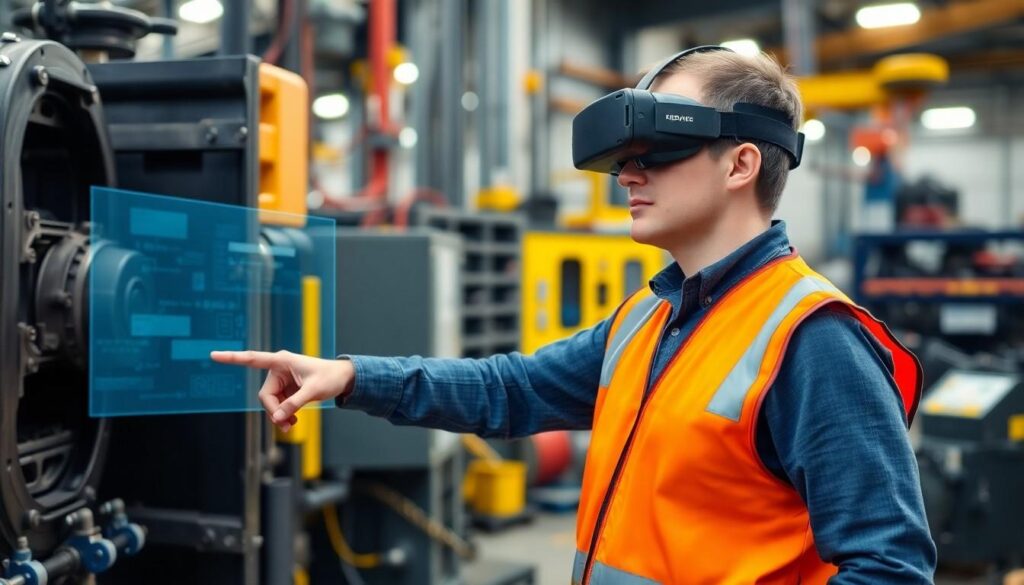
In a world where video calls just don’t cut it anymore, augmented reality remote assistance swoops in like a superhero with a cape made of pixels. Imagine troubleshooting a complex machine while an expert guides you through the process, all without them having to step foot in your facility. It’s like having a tech-savvy ghost hovering over your shoulder, but way less creepy.
This innovative technology blends the digital and physical worlds, making remote assistance not just effective but also engaging. With AR, users can see real-time overlays and visual cues that simplify even the most complicated tasks. Whether it’s fixing a faulty machine or guiding someone through a tricky installation, augmented reality is transforming how we solve problems—one holographic hand at a time. Get ready to ditch the old-school manuals and embrace the future of assistance.
Overview of Augmented Reality Remote Assistance
Augmented reality remote assistance enhances troubleshooting and problem-solving capabilities. This technology includes real-time visual cues, allowing users to tackle complex tasks with confidence. Users benefit from expert guidance, as AR overlays provide contextual information directly in their line of sight.
Remote support services leverage AR to improve effectiveness and engagement. Technicians can remotely view a user’s environment while providing step-by-step instructions. This interactive experience surpasses traditional manuals, offering a more intuitive approach to technical challenges.
Companies in various sectors, such as manufacturing and healthcare, adopt AR for training and support. These industries utilize AR to reduce downtime and improve customer satisfaction. AR’s ability to visualize data fosters collaboration among teams, regardless of their physical locations.
Organizations enjoy faster resolution times due to AR’s direct support features. Users gain clarity on difficult tasks right when issues arise, minimizing errors in execution. Incorporating AR ensures solutions align closely with user needs, translating to enhanced operational efficiency.
Overall, augmented reality remote assistance transforms the way individuals and teams address technical issues. With this technology, organizations can unlock new potential by facilitating real-time collaboration and support.
Key Technologies Behind Augmented Reality Remote Assistance

Augmented reality remote assistance relies on several key technologies that enhance its functionality and effectiveness. These technologies play a crucial role in delivering real-time support and interactive experiences.
Computer Vision
Computer vision enables AR systems to interpret and understand their environments. This technology analyzes visual inputs from cameras and sensors, creating a contextual awareness that enhances instructions. Through image recognition and tracking, AR applications can place digital overlays on physical objects accurately. They help users by providing real-time visual guidance and relevant information as needed. By integrating this technology, technicians can provide tailored assistance that aligns with a user’s specific situation, reducing errors and improving overall efficiency.
Real-Time Data Processing
Real-time data processing is essential for effective AR remote assistance. This technology allows systems to handle and analyze large sets of data instantaneously. With low latency, users receive immediate feedback and updates during their tasks. Integration of this capability ensures that technicians can adjust their guidance based on the evolving conditions in a user’s environment. As a result, users navigate complex problem-solving situations with confidence. Timely access to data fosters smoother interactions and enhances the overall user experience.
Applications of Augmented Reality Remote Assistance
Augmented reality remote assistance finds diverse applications across various industries, enhancing efficiency and problem-solving capabilities.
Industrial Maintenance
In industrial settings, AR remote assistance significantly streamlines maintenance procedures. Technicians benefit from real-time visual guidance, which helps them conduct repairs and maintain machinery more effectively. Remote experts can overlay critical information directly onto equipment, allowing technicians to identify issues with accuracy. Immediate support leads to reduced downtime and improved safety through thorough visual inspections. Companies implementing AR in maintenance often experience fewer equipment failures, translating to optimized operations and cost savings.
Healthcare Support
Healthcare professionals leverage AR remote assistance to enhance patient care and streamline processes. Surgeons utilize this technology for remote consultations, accessing vital information and visual overlays during procedures. Medical staff can receive instant guidance from specialists, improving diagnostic accuracy. Patients enjoy faster solutions, even from a distance, as healthcare workers better understand complex scenarios in real-time. Integrating AR into healthcare settings fosters collaborative diagnoses, enhancing overall outcomes and patient satisfaction.
Remote Training
Organizations increasingly adopt AR remote assistance for effective remote training programs. Trainees engage in hands-on learning experiences, guided by experts who provide immediate visual support. This approach allows learners to practice skills in a controlled environment without needing physical presence. Interactive scenarios promote retention and understanding, leading to higher proficiency rates among employees. By utilizing AR for training, companies can swiftly onboard staff and ensure they are well-equipped for their roles.
Benefits of Augmented Reality Remote Assistance
Augmented reality remote assistance offers numerous advantages that enhance operational effectiveness. This innovative technology transforms the way support is delivered, fostering improvements in collaboration and efficiency.
Enhanced Collaboration
Enhanced collaboration stands out as a key benefit of AR remote assistance. Team members can interact more effectively, regardless of their physical locations. Visual aids and real-time instructions strengthen understanding and reduce miscommunication. Experts can join sessions instantly, guiding technicians through complex tasks with clarity. Multiple individuals can engage simultaneously during a session, leading to quicker resolutions. Such increased connectivity promotes shared problem-solving, empowering teams to work cohesively and achieve their goals more efficiently.
Improved Efficiency
Improved efficiency is another significant advantage of AR remote assistance. Technicians can access immediate support, minimizing downtime during troubleshooting processes. By receiving real-time visual feedback, they reduce the chances of errors that often occur with traditional methods. Simple instructions combined with visual overlays allow for faster decision-making. Companies witness notable increases in productivity, as tasks that once took hours can now be completed in minutes. The reduction in training times further optimizes operations, allowing employees to focus on core responsibilities and improve overall outcomes.
Challenges and Limitations
Augmented reality remote assistance faces several challenges that can hinder its widespread adoption. Understanding these obstacles helps organizations address potential issues.
Technical Barriers
Technical barriers persist as significant challenges for augmented reality remote assistance. Network connectivity issues can disrupt real-time data processing, leading to delays in visual feedback. Various hardware requirements, including compatible devices and robust cameras, complicate deployment. Users may encounter compatibility problems with existing systems, making integration difficult. Furthermore, the need for extensive training on new technologies can extend implementation timelines, reducing initial productivity. Addressing these technical challenges is essential for organizations aiming to leverage the full potential of AR.
User Acceptance
User acceptance remains critical for the success of augmented reality remote assistance. Some individuals may struggle to adapt to new technologies, especially in industries with traditional practices. Concerns about data privacy and security often arise when sharing visual information remotely. Additionally, the perceived complexity of AR systems could deter personnel from fully engaging with the technology. Providing adequate support and training can foster user confidence, promoting smoother transitions. Successful implementations rely on understanding user apprehensions and tailoring solutions to meet their needs.
Augmented reality remote assistance is reshaping the landscape of technical support and collaboration. By empowering users with real-time visual guidance and expert insights, it streamlines troubleshooting and enhances operational efficiency. As industries embrace this innovative technology, the potential for improved productivity and reduced downtime becomes increasingly evident.
Despite the challenges of adoption, such as technical barriers and user acceptance, the benefits far outweigh the obstacles. Organizations that invest in AR solutions can expect significant gains in customer satisfaction and employee proficiency. As AR continues to evolve, it promises to unlock new avenues for remote assistance, making it an indispensable tool for the future of work.